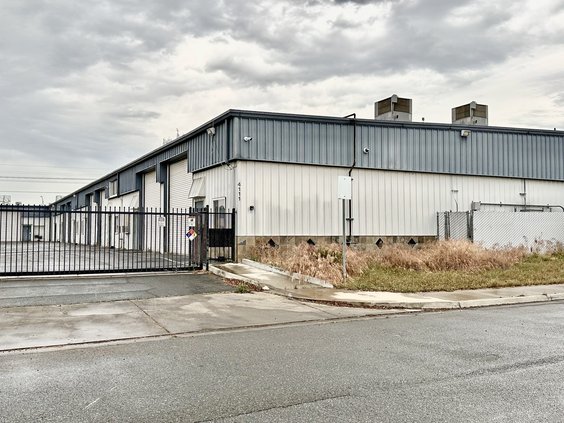
The Ceres City Council came under fire last week from Kase Manufacturing, a cannabis processor in Ceres, when time came to officially overhaul of the city’s cannabis business regulations.
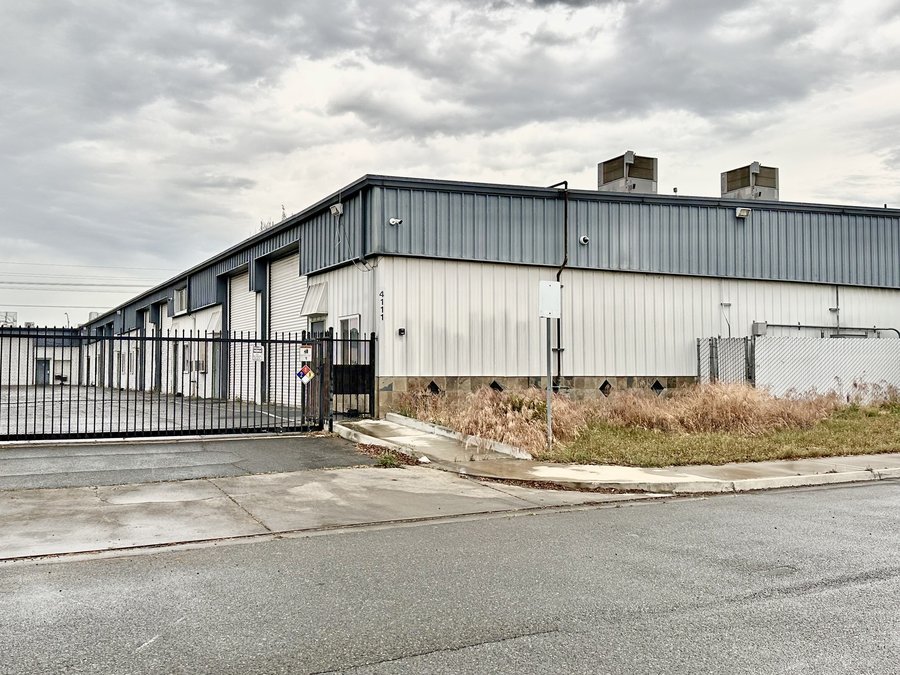
The firm has not been operating for eight months due to a combination of building/safety code issues and its failure to pay fees owed to the city.
The council overhaul enacts a tax rate on the monthly gross receipts of cannabis related businesses in Ceres. In 2018 Ceres voters approved the ability of the city to enact a cannabis tax of up to 15 percent but the council had not set lower percentages until last week.
Also, the council took unanimous action to limit Ceres to just two cannabis dispensaries. Mayor Javier Lopez said the city can review the cap in the future as Ceres grows. Vice Mayor Daniel Martinez felt comfortable with a cap of four dispensaries but went along with the council majority who liked the cap of two.
Only one of the two existing cannabis dispensaries is in good standing with the city. City Manager Doug Dunford disclosed that Patient Care First on Angie Avenue is behind in making payments.
The ordinance overhaul is designed to strengthen the city’s enforcement authority and provide tools for taking decisive action against cannabis operators who fail to pay the city fees that are owed and who violate city regulations or state law.
A new requirement is that cannabis dealers must obtain a Cannabis Conditional Use Permit to help regulate the land use component.
Currently the city uses developer agreements and cannabis business permits whereby the dealer or manufacturer pays the city a “public benefit” fee. Over the years cannabis businesses have struggled to make payments as the industry has proliferated. The enforcement provisions of the cannabis CUP framework are centered on the city’s ability to revoke a permit when necessary or enact fines. The city has also found some cannabis related businesses in violation of local and state laws.
Sales at licensed cannabis dealers are down due to the competition resulting from a proliferation of outlets. Also hurting legitimate cannabis shops is the black market – including some smoke shops illegally selling marijuana products – which sell product at cheaper prices.
Cannabis tax enacted
Last week the council voted 4-1 to approve cannabis business tax rates of 4 percent of monthly gross receipts for storefront dispensaries, 3 percent tax of gross receipts for manufacturing, 2 percent for distribution, one percent for laboratories with a $4 per square foot fee for cultivation businesses. The action replaces the former fee structures set by developer agreements.
Only Councilman James Casey voted no.
Under the provisions of the proposed Chapter 5.22, the city is authorized to inspect all cannabis business premises to verify compliance with the Municipal Code, applicable state laws, and any conditions of approval imposed through the cannabis Condition Use Permit (CUP) or development agreement. This inspection authority enhances the city’s ability to proactively monitor operations, ensure ongoing compliance, and take prompt corrective action when violations are identified.
Changes mean the cannabis business will have to apply for a cannabis conditional use permit (CUP) to fill the current void of not have to seek a CUP which the Planning Commission can review and either reject or approve. Commissioners will have access to background checks, indemnification agreements, and the fee agreements.
The city will be requiring cannabis businesses to:
• Maintain all state and local licenses;
• Comply with state law;
• Pay taxes that are due.
Kase Manufacturing remains in arrears to the city on fees due from the developer agreement by about $2 million, according to Dunford. He said the company has ignored requests for payment.
Drew Ford, the Chief Science Officer at Kase Manufacturing in Ceres, blasted Dunford and accused him of setting the “compliance process into a trap. This is not enforcement, this is obstruction.”
“One week after Kase Manufacturing delivered a letter to this council with our good faith proposal for a path forward, City Manager Douglas Dunford issued a notice demanding we immediately cease all operations,” Ford told the council. “We believe the timing is not a coincidence. We believe it’s retaliation and we were asking this council to hold him accountable.”
Since opening in February 2018, Kase has paid the city over $1.7 million in developer agreement fees. In time the company twice negotiated for a lower fee structure due to a decline in business caused by competition stemming from a proliferation of cannabis businesses that have opened in neighboring cities and the county as well as the black market.
Ford said Kase has been struggling in a “collapsing industry.”
“Being one of the very first operators, we were held to an unrealistic pilot program fee structure that broke us,” Ford said.
He drilled down into the specifics of his beef with Dunford who claimed Kase’s development agreement expired May 29, 2025 but said the city waited 10 months to act, and the call for the business to shut down came one week after Kase wrote a letter “raising serious questions about city staff conduct, 10 months of silence, and a shutdown notice after we spoke up.”
Ford said that Dunford claimed that Kase failed fire inspections. But Ford’s version is that Kase was told directly by Modesto Fire Chief David Bickle, in writing that the department could not even respond us unless Dunford personally granted approval.
“That approval was withheld, potentially putting my entire staff in danger,” said Ford. “We spent nearly $200,000 on required upgrades, and Dunford blocked the very guidance needed to complete them. Fire Inspector Jeff McKeon has confirmed he had no intention of using his report to shut us down. He understood it as a tool to help us regain operational status, and was satisfied with our progress as long as the required work continued.”
Ford insisted that Kase is not only safe it has become a “best in class facility.”
He said Kase’s extraction operations, which are the majority of Kase’s revenue, have been shut down for eight months.
“We kept employees on payroll throughout absorbing those losses in good faith. What we received in return was a shutdown notice.”
Dunford’s letter to Kase cited an ongoing county investigation into alleged environmental hazards which Ford said came from a “malicious, false complaint by a disgruntled former employee involving mop water in a French drain.”
Ford stated that both county and the Department of Cannabis Control have found no wrongdoing in 2024 and the state has confirmed no criminal charges will be pursued.
He called on the city to allow Kase to resume operations while a “proper” development agreement renewal is conducted. He also wants the council to direct a formal, independent review of Dunford’s conduct.
John Di Girolamo, one of Kase’s co-founders, phoned into the meeting from Toronto, Canada, and said “imposing a three percent tax on a business sector that is already struggling is the economic equivalent of taxing the homeless.” He also stated that the original fee required to be paid by the developer agreement “did not reflect reality.” He also stated that has attempted to reach Mayor Lopez “directly multiple times since his visit to our facility in July 2023 during which he personally committed to working through any issues with us. Those attempts went unanswered. He went on to ask the mayor to honor his “promise when you walked through our doors, we’re asking you tonight publicly to honor it.”
Kase investors poured $15 million into the facility, said Di Girolamo.
On Monday Dunford offered his version of what has transpired between Kase and the city. He noted that it’s been eight years since Kase paid the city “and nobody called them on it” before he became city manager.
Dunford said he started meeting with Kase in 2024 over the business’s failure to pay. Kase owed the city $1.5 million at the time but agreed to begin paying the city $20,000 per month. Dunford said Kase did issue four or five payments but stopped. Even though the city twice lowered the fees contained in the developer agreement, Kase is now about $2 million in arrears.
The city received information that Kase was “doing some things that did not meet standards pouring something down the drain,” said Dunford. Thus a search warrant was served in 2024 involving the Department of Toxic Substance Control and the EPA and findings were made. Kase is now working with the Stanislaus County District Attorney’s office as to how much their fines will be.
Dunford said Kase twice failed fire department inspections so updated plans were submitted twice to the city and kicked back both times by county building inspectors. He noted that Modesto Fire was inspecting based on plans not yet approved so Dunford told fire officials to stop doing inspections.
Dunford sent a letter to Kase to clear out of the facility by March 31.