A new city ordinance won its first approval on Monday from the Ceres City Council to gives Ceres Police and city staff enforcement powers when to crack down on the growing problem of persons using city parks and public spaces as living quarters and nighttime sleeping accommodations.
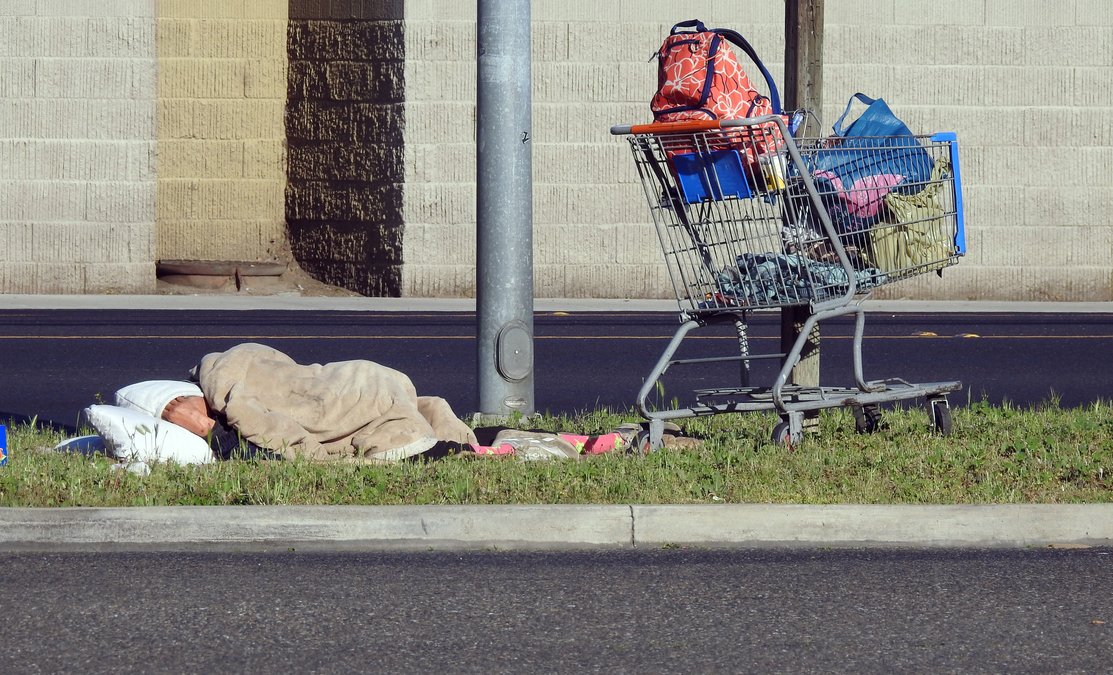
The council voted 4-0 to amend a city ordinance related to disorderly conduct code to establish clear rules prohibiting camping, lodging, sleeping overnight in the storage or use of camping related property on sidewalks, streets, alleys, plazas, parkways, right-of-ways and other public property unless authorized.
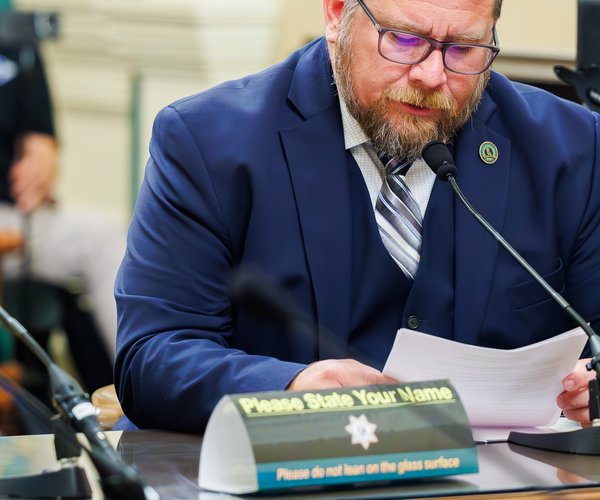
“It also prohibits encampments, personal property, or actually a person’s physical presence from blocking the right-of-way,” said Ceres Police Lt. Travis Hudson.
He explained that existing ordinances covered prohibitions of camping or storing personal belongings next to critical infrastructure but “this gives us more of a citywide prohibition against a camping.”
“It gives us staff and the law enforcement… a more consistent enforcement tool. So there is a criminal aspect to this now, so before it was, it was more of a request.”
Most folks when told to pack up and move along do so, said Hudson, but now police can issue a misdemeanor citation or make an arrest of the habitual offender or those who refuse to move.
“We’ve had an increase of people, maybe just bicycles, dogs, equipment, any part of their property all over the sidewalks, specifically more Hatch/Mitchell area,” said Lt. Hudson. “But this will give us the enforcement tool to kind of combat that.”
Ceres resident Steven Patterson voiced his support.
“We do have trouble between the marijuana dispensary that resides behind Jack in the Box, on the Hatch side at Mitchell where we have a lot of traffic, people leaving shopping carts, tents, belongings that really discourage people taking advantage of those (bike) routes behind the canal side and utilizing a lot of that property,” said Patterson. He added his support to have such transients removed to “better serve the community.”
A second public hearing held Monday addresses allowable activities in city parks, clarifying they are intended for recreational purposes only.
Lt. Hudson said it prohibits “non-recreational use that interferes with or deters recreation by other users or creates a reasonable fear, threats, or a nuisance involves camping or camping equipment.”
“This isn’t an attack on homeless or camping or anything like that. It covers conduct only. Housing status is not involved in this. I know we got some feedback about, ‘well, you’re targeting homeless.’ That’s not it at all. This is just conduct in itself and that’s for anybody and everybody using the park facilities.”
He clarified that “merely being in the park isn’t interfering – you have to be interfering or deterring use by others.”
Camping is also listed as a prohibited activity.
“That has been one of our big problems, camping in the parks,” Hudson told the council.
The ordinance will also prohibit gatherings that block access to facilities, threaten other park users, or result in the deterioration of park conditions. Before the ordinance change, police and Code Enforcement officers could “only go and contact them and ask them to move” and hope they complied. Most have.
“When you get four or five cops that are asking you to move, they typically move. They don’t want any issues, but should they be habitual return offenders or just flat out refuse this gives us the authority to actually have some teeth. This would give us the authority to make an arrest, a citation or an arrest.”
Councilwoman Cerina Otero was happy to see the ordinance, noting, “unfortunately, because of state laws and everything, we get to the point where cities have to control what’s happening within, because you can only do so much when it comes to the lack of consequences for some of these individuals. This is a way to keep our parks safe and keep our youth safe and anybody who enjoys the area. So I do appreciate this cleanup.”
Community Service Officer Dave McCann said citations issued for park violations may result in a citation with a $1,000 fine or prosecution by the district attorney or city attorney.
“So the first offense or a couple offenses, we’re not going to immediately go to prosecution,” said McCann. “That’s why we go to citations, and then if it becomes habitual, then we’ll probably have to seek prosecution.”
Mayor Javier Lopez said he favored the ordinance as “the community continues to ask for us to continue to do this enforcement.”
The council approved the move in a 4-0 vote. Vice Mayor Daniel Martinez was absent on Monday.