Four cases of Clade 1 mpox have been reported recently to the Stanislaus County Health Services Agency (HSA). The California Department of Public Health (CDPH) has confirmed two of the cases as Clade I, while additional confirmatory testing is underway for the remaining two cases.
Three individuals reported no recent international travel, while travel history of the fourth individual is still being investigated. Historically, Clade I mpox cases in the U.S. were linked to international travel. However, since August 2026, more cases have been reported among people without recent international travel. This suggests the virus may now be spreading within U.S. communities. HSA is working with the California Department of Public Health (CDPH) to monitor mpox activity and prevent further spread.
While the risk of mpox to the general public remains low, HSA encourages residents to become familiar with the symptoms, understand how the virus spreads, and take steps to protect themselves and others.
“While we have identified four cases in our county, we want residents to know that the risk to the general public remains low,” said Dr. Thea Papasozomenos, Stanislaus County Public Health Officer.
“Being aware of the symptoms, getting vaccinated if at risk of exposure to mpox, and seeking medical care when needed are important ways to protect yourself and prevent the spread of mpox.”
Mpox is a viral infection that can cause a painful or itchy rash and flu-like symptoms. There are two main types of mpox virus, known as Clade I and Clade II. Both can spread in similar ways and can be prevented through the same protective measures.
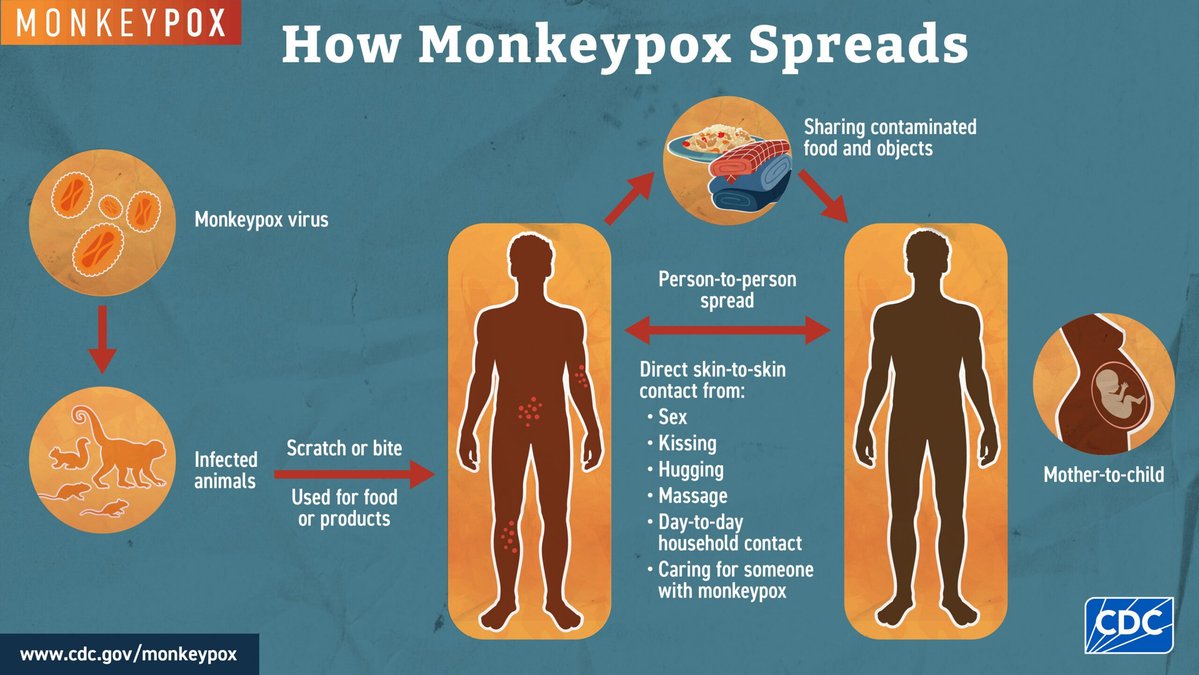
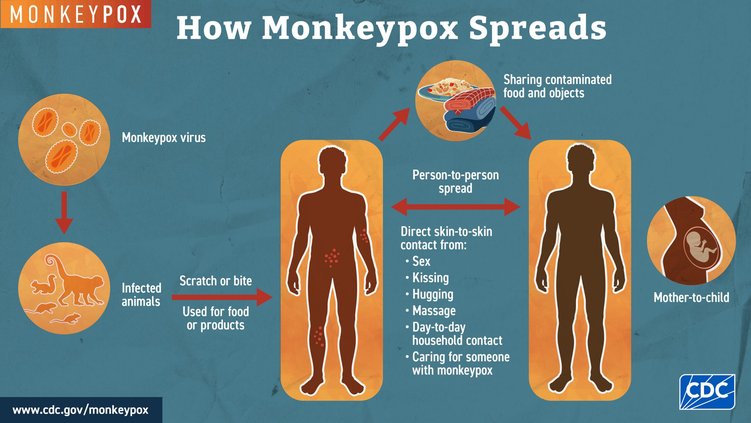
Mpox primarily spreads through close, personal contact with someone who has the infection, including skin-to-skin contact, intimate or sexual contact, and contact with infected sores or bodily fluids. It can also spread through shared items such as bedding, towels, or clothing that have been contaminated with the virus.
Mpox does not spread easily through casual interactions, such as passing someone in a grocery store or working in the same office. Symptoms may appear up to 21 days after exposure and can include:
- A rash or sores that may look like pimples or blisters;
- Fever, chills, or swollen lymph nodes;
- Headache, muscle aches, or fatigue;
Some people may develop only a few sores without other symptoms. Most people recover within two to four weeks, although serious illness can occur.
The JYNNEOS vaccine is recommended for people at increased risk of mpox exposure. It is given in two doses, typically four weeks apart, and helps protect against infection and serious illness. At-risk individuals who have received only one dose are encouraged to complete the series. A full list of risk factors and vaccine eligibility recommendations is available on CDPH’s “Who Should Get the Mpox Vaccine?” page.
Residents can reduce their risk by avoiding close contact with anyone who has an unexplained rash or sores, not sharing personal items with someone who may have mpox, and getting vaccinated if at risk of exposure.
To schedule a vaccination appointment, call the Stanislaus County Immunization Clinic at 209-558-7700 or inquire through a retail pharmacy.
Anyone who develops an unexplained rash or sores should contact a healthcare provider and ask about mpox testing. Testing typically involves swabbing a rash or sore.
If you suspect you have mpox, avoid close physical contact with others, do not share personal items, and contact your healthcare provider before visiting. If diagnosed, follow medical guidance and remain isolated until all sores have healed and new skin has formed.
HSA continues to work with CDPH and healthcare partners to monitor mpox activity and provide timely information to the community.
For more information about mpox, including vaccination and prevention, visit:
CDPH:
https://www.cdph.ca.gov/Programs/CID/DCDC/Pages/mpox.aspx
CDC:
https://www.cdc.gov/monkeypox/index.htm