Stanislaus County Health Services Agency – Public Health has confirmed the first human case of West Nile Virus (WNV) in Stanislaus County for the 2026 season.
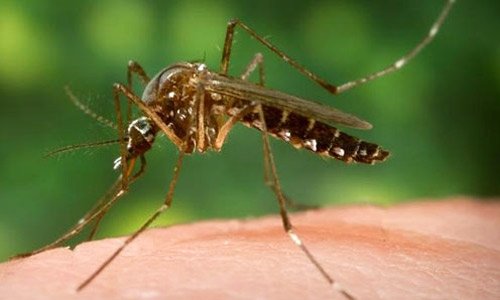
WNV is primarily transmitted to humans through the bite of infected mosquitoes.
WNV activity in California is currently at a five-year high. WNV activity can vary from year to year, with periods of increased activity occurring every few years. Stanislaus County last experienced a significant increase in human WNV cases in 2023.
The number of human cases typically peaks during August to September, and the current level of activity is an important reminder for residents to take precautions against mosquito bites. Public Health, along with local mosquito abatement districts, reported in June the first pool of mosquitoes that tested positive for WNV.
Most people who catch WNV don’t show any obvious symptoms and often won’t realize they have it. Some people may experience mild symptoms like fever, headache, and tiredness. However, in rare cases, WNV can cause serious illnesses that affect the brain and spinal cord, such as encephalitis or meningitis. These severe conditions can lead to long-term problems or even death. Certain groups of people, including older adults, those with diabetes, and people with weak immune systems, are more likely to get very sick from WNV.
Dr. Thea Papasozomenos, Stanislaus County Public Health officer, stresses the importance of community awareness and prevention.
“Current surveillance indicators signal a severe West Nile virus season for 2026 with concern for a higher number of human cases,” she said. “Because there is no vaccine or specific treatment for West Nile Virus, it is important for people to take steps to protect themselves and their families from mosquito bites.”
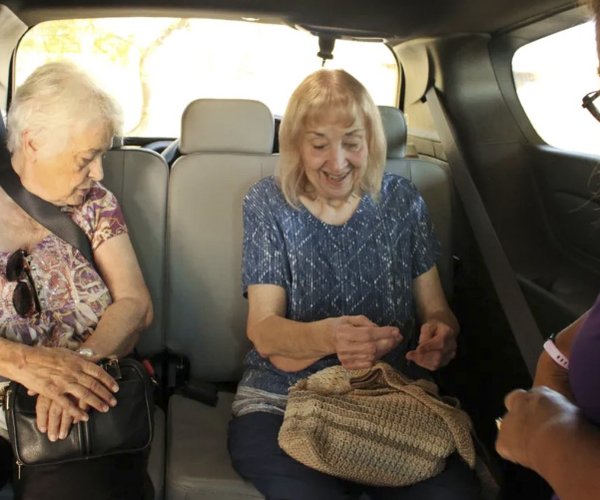
People ages 55 and older are at higher risk for serious symptoms if they get West Nile virus. If you’re 55 or older, now is the time to make and use your summertime plan to protect you and your family from infected mosquito bites that can spread West Nile virus.
- Use insect repellent – Choose an EPA-registered product and apply it when spending time outdoors.
- Wear long sleeves and pants – Especially during peak mosquito hours (dawn and dusk).
- Keep mosquitoes out – Use tight-fitting screens on windows and doors, and fix any holes.
- Use air conditioning – When possible, keep windows and doors closed.
- Report neglected swimming pools to your local mosquito abatement district.
- Contact your veterinarian for information on vaccinating equines against WNV.
For general mosquito prevention:
- Dump and drain standing water – Mosquitoes breed in still water, so empty buckets, tires, birdbaths, flowerpots, and other containers regularly.
If you notice an unusual number of mosquitoes or mosquitoes that bite during the day, contact your local mosquito control agency:
In Ceres or Hughson call the Turlock Mosquito Abatement District (209) 634-1234.
East Side Mosquito Abatement District - (209) 522-4098
Dead birds can be an early warning sign of West Nile virus in your area. Report them to the California West Nile Virus Dead Bird Hotline: At 1-877-968-2473 or westnile.ca.gov